
What is Ai Call Routing
 Coldi
ColdiWhat is Ai Call Routing
In the modern business landscape, the efficiency of your communication stack is often the primary driver of customer satisfaction and conversion rates. As companies move away from legacy hardware, the question is no longer just about "how" to take a call, but "how" to handle it intelligently.
AI call routing is the sophisticated process of using artificial intelligence—specifically Natural Language Processing (NLP) and machine learning—to analyze an incoming caller’s intent and direct them to the most appropriate resource without the need for manual intervention or clunky button-pressing menus.
Traditional systems relied on "If/Then" logic. If a user presses 1, send them to Sales. AI call routing, however, listens. It understands context, tone, and historical data, ensuring that a high-value lead is never stuck behind a general inquiry queue.
By automating this process, companies can operate 24/7, ensuring that every prospect is greeted by a professional, intelligent interface that knows exactly where they need to go. This shift from static to dynamic routing is not just a trend; it is a fundamental restructuring of how businesses interact with their global audience.
When we look at the core of this technology, we see a blend of speech-to-text engines and decision-making algorithms. The AI doesn't just hear the words; it analyzes the sentiment and urgency behind them. This allows a business to prioritize a frustrated customer or a high-ticket prospect automatically, ensuring that the human agents are focused on the most critical tasks while the AI manages the logistical heavy lifting.
Best Voice AI with Click-to-Call and Phone Routing
For digital-first companies, the customer journey often starts on a website and transitions to a conversation.
The best voice ai with click-to-call and phone routing bridges this gap by capturing intent data the moment the user clicks. Instead of a "blind" transfer, the AI passes the user's browsing context to the routing engine.
This synergy allows for a personalized greeting and immediate routing that feels tailored to the individual user’s needs.
If a customer was looking at enterprise pricing on your site and clicks to call, the voice AI ensures they are routed to the executive accounts team rather than a general support desk.
This level of technical sophistication is what separates market leaders from those still struggling with high abandonment rates.
When you integrate a leading voice ai for inbound call routing, you are essentially installing a high-performance brain at the front of your communication funnel, capable of filtering noise and highlighting opportunity.
Furthermore, the data collected during these initial seconds is invaluable. By the time the call reaches a human agent, the screen can already be populated with the caller's intent, previous web history, and potential solutions.
This drastically reduces the "discovery" phase of a phone call, allowing for shorter handle times and a much higher resolution rate on the first attempt.
AI Call Routing System: The Heart of Automation
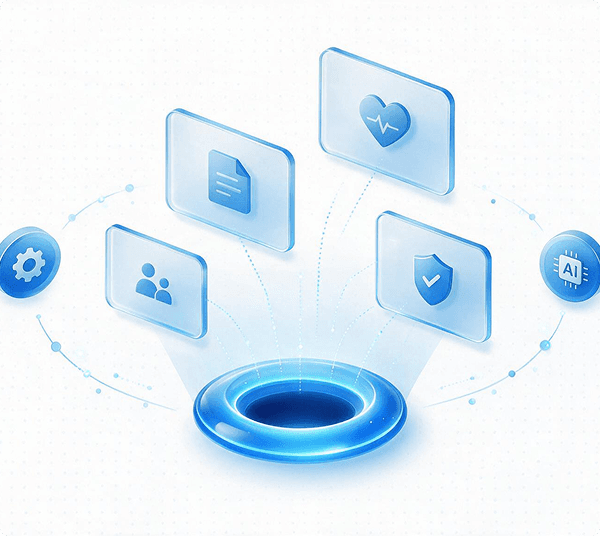
An ai call routing system is the central nervous system of a modern contact center. It replaces the "virtual receptionist" of old with a dynamic engine capable of making split-second decisions based on thousands of data points. Key features of a robust system include intention recognition, skills-based distribution, and real-time CRM data syncing.
Beyond simple redirection, these systems act as a protective filter for your most valuable employees. By identifying common, repetitive questions, the AI can provide automated answers for tracking numbers, store hours, or basic troubleshooting, only passing the call to a human when the complexity exceeds the AI's programmed thresholds. This ensures that your highly-paid specialists are not wasting their time on tasks that a machine can handle in milliseconds.
The architecture of a modern ai call routing system is designed for flexibility. Whether you are managing a small boutique or a massive enterprise with thousands of seats, the logic remains the same: understand the caller, assess the priority, and deliver the call to the person best equipped to handle it. This level of automation is essential for scaling a business in an era where consumers expect instant gratification and zero wait times.
AI That Routes Sales Calls
Sales teams live and die by their response time. An ai that routes sales calls acts as a specialized filter that prioritizes revenue-generating opportunities. In a standard setup, a "hot" lead might be stuck behind a customer asking about a basic billing question. With AI, the system identifies the sales intent immediately through sentiment analysis and keyword detection, ensuring the high-intent lead is handled with the urgency it requires.
This technology becomes a force multiplier when your business is also running proactive campaigns. For example, if you are utilizing ai outbound calls to reach out to new markets, the routing system ensures that any prospect who expresses interest is immediately bridged to a live closer.
This creates a seamless loop between outbound prospecting and inbound closing. Furthermore, the system is designed to handle every ai inbound call with a level of precision that traditional IVRs simply cannot match, ensuring that the sales pipeline remains fluid and free of bottlenecks.
By analyzing the successful paths of previous sales calls, the AI can even begin to predict which agents are most likely to close certain types of leads. This "predictive routing" takes the guesswork out of lead distribution, moving away from simple round-robin systems to a merit-based, high-efficiency model that directly impacts the company's bottom line.
AI CRM Call Routing
Integrating your CRM with your telephony is the final step in achieving "Total Intelligence." AI CRM call routing allows your phone system to query your database in real-time. If the CRM shows a customer has a "VIP" status or an active high-value ticket, the AI routes them to a priority lane. This prevents the frustration of a loyal customer being treated like a stranger and significantly boosts retention rates.
Furthermore, a dedicated outbound calling agent can work in tandem with the CRM to follow up on abandoned carts or cold leads. When the prospect picks up and starts a dialogue, the routing logic ensures the conversation remains consistent with the data stored in their profile. If the customer mentions a previous purchase, the AI already has that data ready to be passed to the agent, creating a cohesive and personalized experience.
This level of synchronization is why instant ai call routing and call routing ai have become the gold standard for customer-centric organizations. When every department—from sales to support—is working from the same real-time data set provided by the AI, the customer feels known and valued. This is the ultimate goal of any communication strategy: to use technology not to replace human connection, but to facilitate it more effectively.
Conclusion
Implementing an ai powered call routing strategy is about more than just moving calls; it's about optimizing every single interaction your brand has with the world. The transition to AI-driven telephony allows your staff to focus on high-value, empathetic human interactions while the machine handles the logistics of sorting, tagging, and enlisting.
By utilizing the right tools, you create a closed-loop system where no lead is ever dropped and no customer is ever ignored. The synergy between inbound intelligence and outbound proactivity is the hallmark of a modern, successful business. Whether you are looking to refine your internal processes or scale your sales efforts to new heights, the future of telephony is intelligent, automated, and human-centric. The era of the "unintelligent" phone call is over; the era of AI routing has begun.